Enter, Curate & Explore Data
CORE AdminWithin nodegoat we are working on combining data management functionalities with the ability to seamlessly analyse and visualise data. nodegoat can be used as any other database application as it allows users to define, update and query multiple data models. However, as soon as data is entered into the environment, various analytical tools and visualisations become available instantly. Tools such as in-depth filtering, diachronic geographical mappings, diachronic social graphs, content driven timelines, and shortest path calculation enable a user to explore the context of each piece of data. The explorative nature of nodegoat allows users to trailblaze through data; instead of working with static ‘pushes’ – or exports – of data, data is dynamically ‘pulled’ within its context each time a query is fired. This approach produces a number of advantages, opportunities, and challenges we plan to discuss in this and future blog posts.
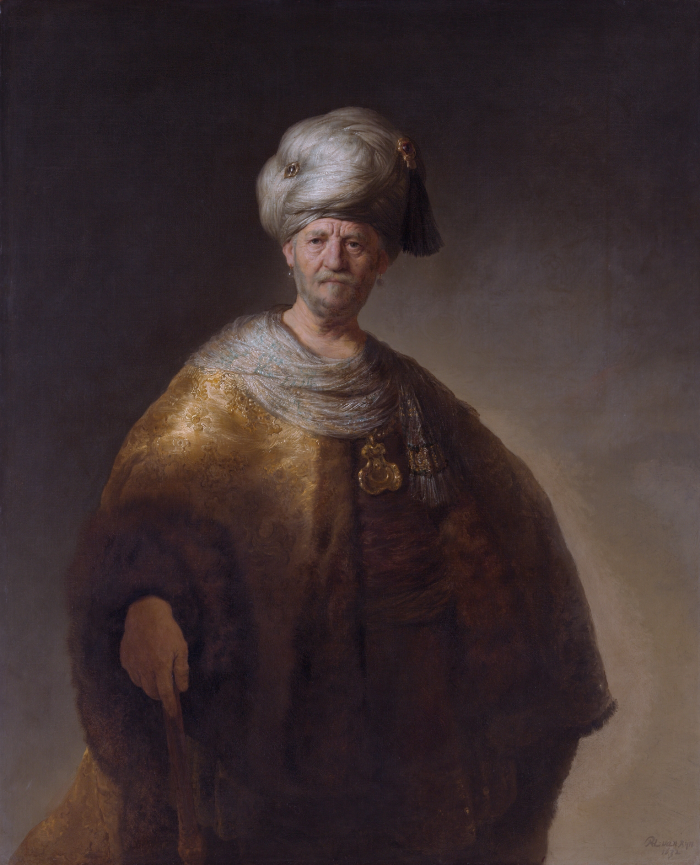
To kick off, let’s consider an example: the provenance of paintings. Should an art historian decide to deal with this research question within nodegoat, they will first conceptualise a data model based on the kind of data that needs to be included (e.g. persons, studios, paintings, collections, museums) and the relevant relations (e.g. created by, sold by, inherited by, exhibited in). This data model then has to be set up in nodegoat and subsequently be filled with pieces of evidence (see the nodegoat FAQ to learn more about this). As soon as the first objects have been entered and their relations have been identified, these objects can be plotted on a map, be viewed in a social graph, or simply: they become part of the network. Now, a question such as ‘how is an artist connected to a specific museum via an art dealership?’ becomes tangible by using functionalities such as shortest path calculation between objects and in-depth filtering.
nodegoat runs in a web browser, making it is accessible from any device connected to the internet. Working in a web based environment allows for the implemention of collaborative projects and simultaneous access to the same dataset. Multiple users (who have been assigned varying clearance levels) can enter, update and inspect data. Using this approach, a researcher or research group can decide to design a data model in nodegoat and start entering data into this data model alone, together or with a larger group. [....]